product
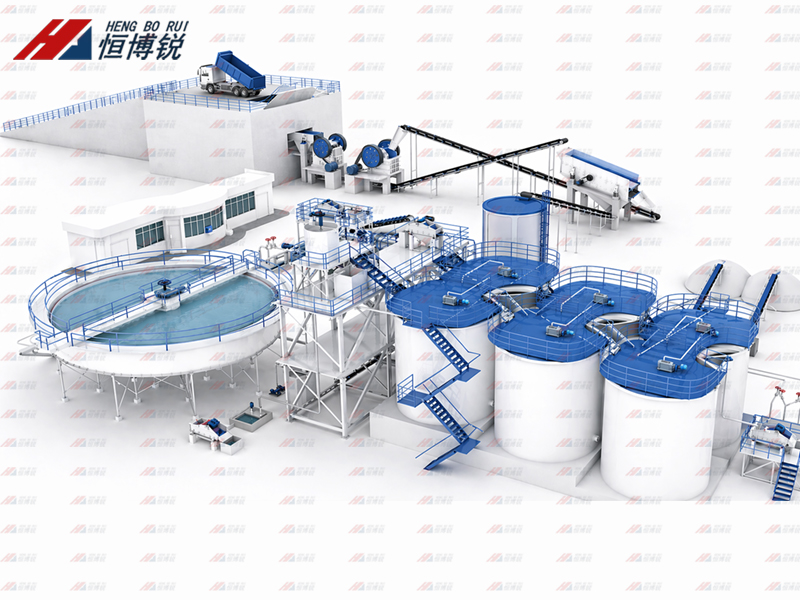
Gold CIL/CIP Plant is a common process in gold ore dressing, characterized by simultaneous gold leaching and adsorption. Featuring a high recovery rate and high automation, the Carbon-in-Leaching method involves adding activated carbon to the slurry for concurrent leaching and adsorption, making it the preferred modern gold ore dressing process.
The CIL/CIP (Carbon-in-Leach / Carbon-in-Pulp) project is a mature and efficient cyanide leaching process that uses activated carbon to directly adsorb gold from the slurry, achieving high recovery rates and stable large-scale production of medium- and low-grade gold ores.
CIP: gold all-slime cyanidation carbon in pulp method
CIL: gold all-slime cyanidation carbon in slurry method
CIP and CIL method is a new process for processing precious metal-containing pulp on the basis of the conventional cyanide gold extraction method.
1. Leaching and adsorption: dissolving gold from the slurry;
2. Desorption: desorb gold from the gold-loaded carbon;
3. Electrowinning: deposits gold from a pregnant.
In CIP process, leaching and adsorption are two operations, the leaching tank is used for cyanide leaching of the slurry, and the carbon slurry tank is used for adsorption of gold by activated carbon.
In CIL process, leaching and adsorption of slurry is an operation. These two steps are carried out in the same tank, so it is generally referred to as a leaching tank or a carbon slurry tank.
In gold processing plants, the primary methods using activated carbon to "capture" gold from slurry are CIP (Carbon-in-Pulp) and CIL (Carbon-in-Leach). They sound similar and both rely on the gold leaching process, but their underlying principles and suitable applications are distinctly different. Choosing the right one leads to high recovery rates and lower costs; choosing wrong can mean half the result for double the effort.
CIL/CIP is cyanide gold extraction process. Firstly, raw material is crushed into less than 20mm by different types of crushers; secondly, crushed material will be ground and classified into 90% of 200mesh, then fine powder will get into a thickener, after concentration, add chemical and leach in the leaching tank. After leaching, we can use activated carbon to adsorb gold, then get gold loaded carbon. Carbon we can use electrolysis equipment or fire to get gold bar.
Step1: Raw materials preparation
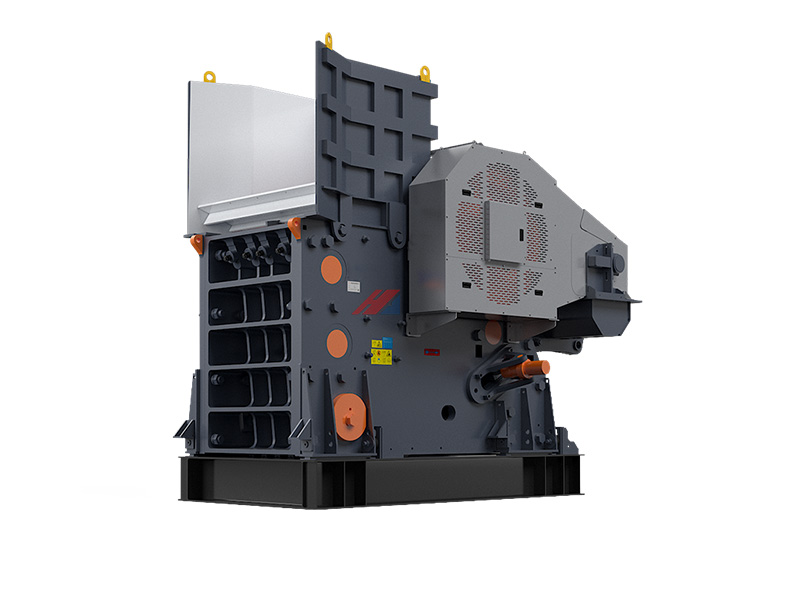
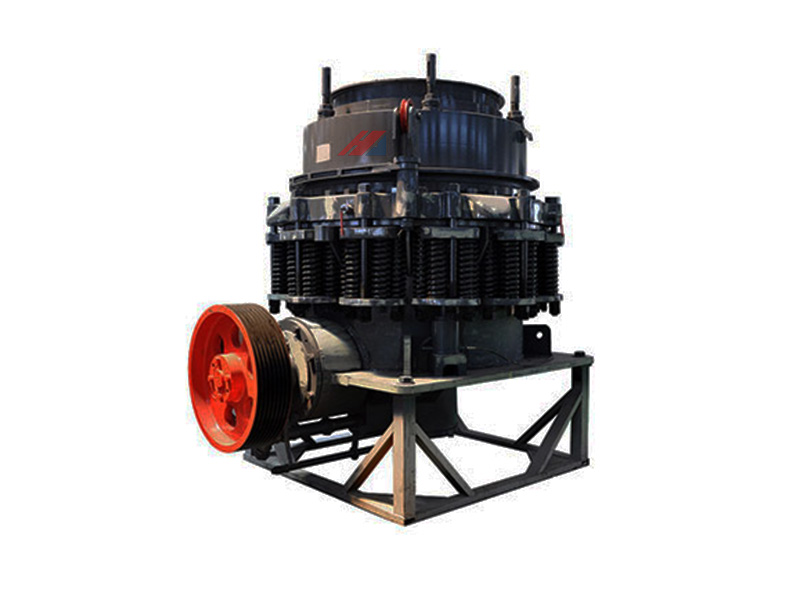
Raw ore is fed into the primary crusher via a vibrating feeder, then conveyed to the secondary crusher by belt. Crushed ore is screened; undersized ore goes to the powder silo, while oversized ore is re-crushed in the tertiary crusher and returned to the screen. It is named three step one closed circle crushing flow chart.
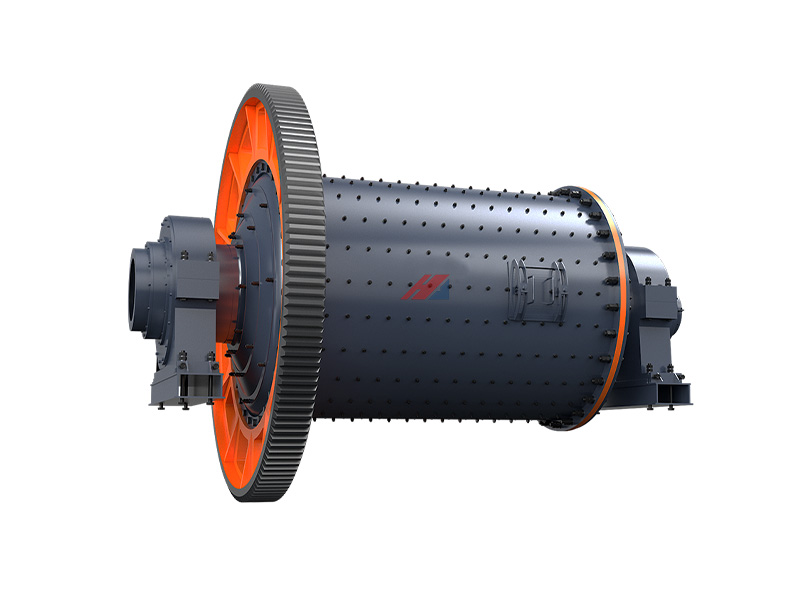
Raw material from the powder silo is fed into the first ball mill.The mill discharge goes to a spiral classifier: oversize particles are returned for re-grinding, while the overflow is pumped to a hydrocyclone for secondary classification.
Oversize particles from the hydrocyclone enter the second ball mill, and the discharge goes back to the hydrocyclone.It is named two steps two closed circle grinding flow chart.The overflow from the hydrocyclone is then sent to the trash screen and thickener.
Step2: Leaching and adsorption
The slurry will enter into several sets of double impeller leaching tank; well-mixed sodium cyanide agents are added to the first tank; active carbon is added to the tanks from the second to the eighth; active carbon from the second agitator is lifted to carbon screen to get gold-loaded carbon, and after cleaning, the gold-loaded carbon enters into the desorption&electrolysis system; while the slurry left goes back to the second tank; active carbon is lifted by air lifter from the tank next to the tank before against the current; the tailing goes through safety screen to recycle fine-size gold-loaded carbon, and then goes to tail water treatment stage.
Step3: Tail water treatment
The tailing are lifted to the filter press, and the filter cake is so called tailing, which are transported by belt conveyor and truck to the yard, while filter liquor goes to circulating water tank for recycling, which helps save the lime and sodium cyanide.
Step4: Gold-loaded carbon treatment
The gold-loaded carbon is processed by Desorption&Electrolysis equipment in batches to get gold-dust. The gold-dust goes to gold melting furnace and turns to gold bar. The gold-loaded carbon after Electrolysis process could return to last stage in the flow chart for reprocessing.